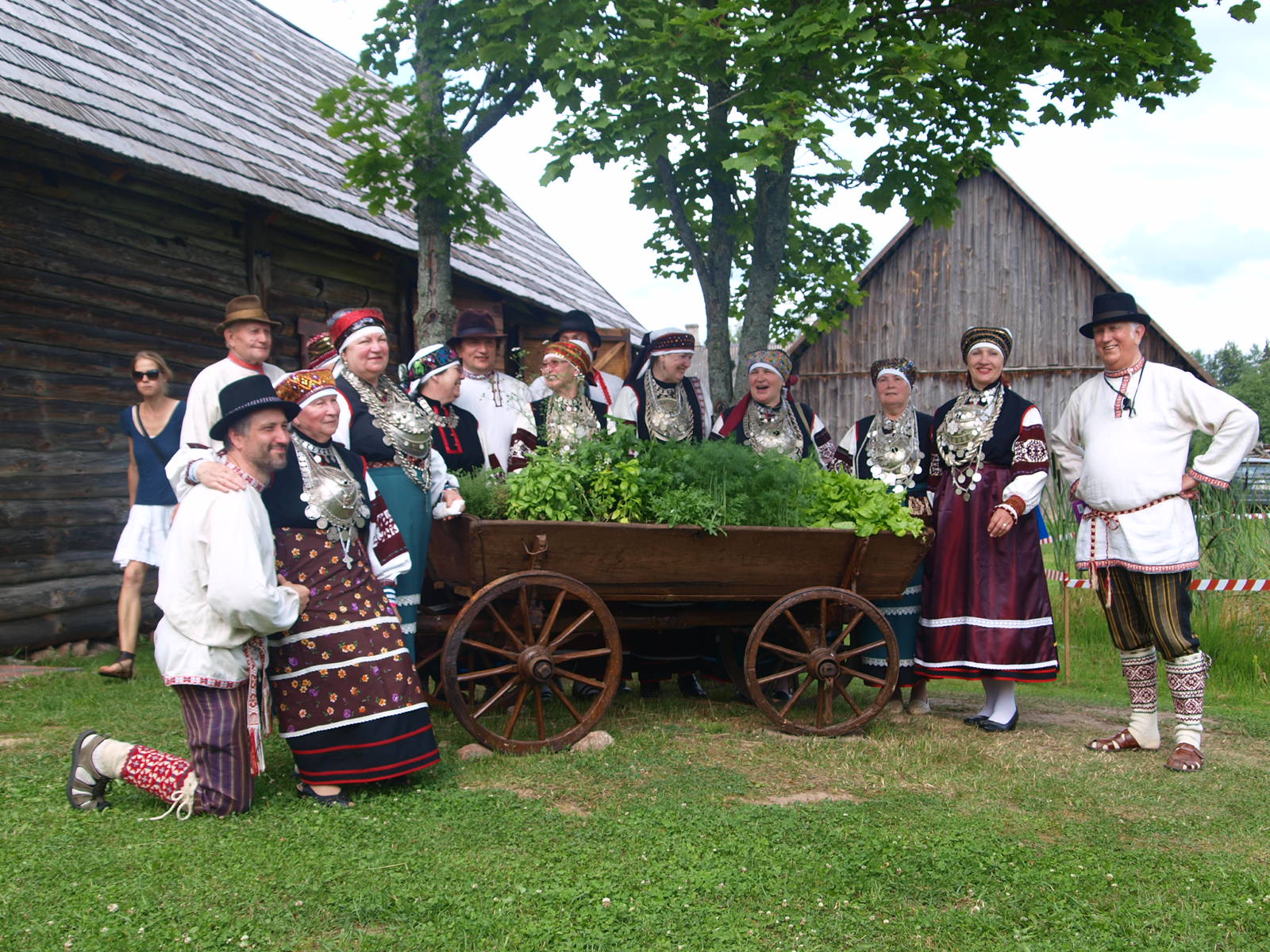
Seto leelo choir Sõsarõ (Sisters)
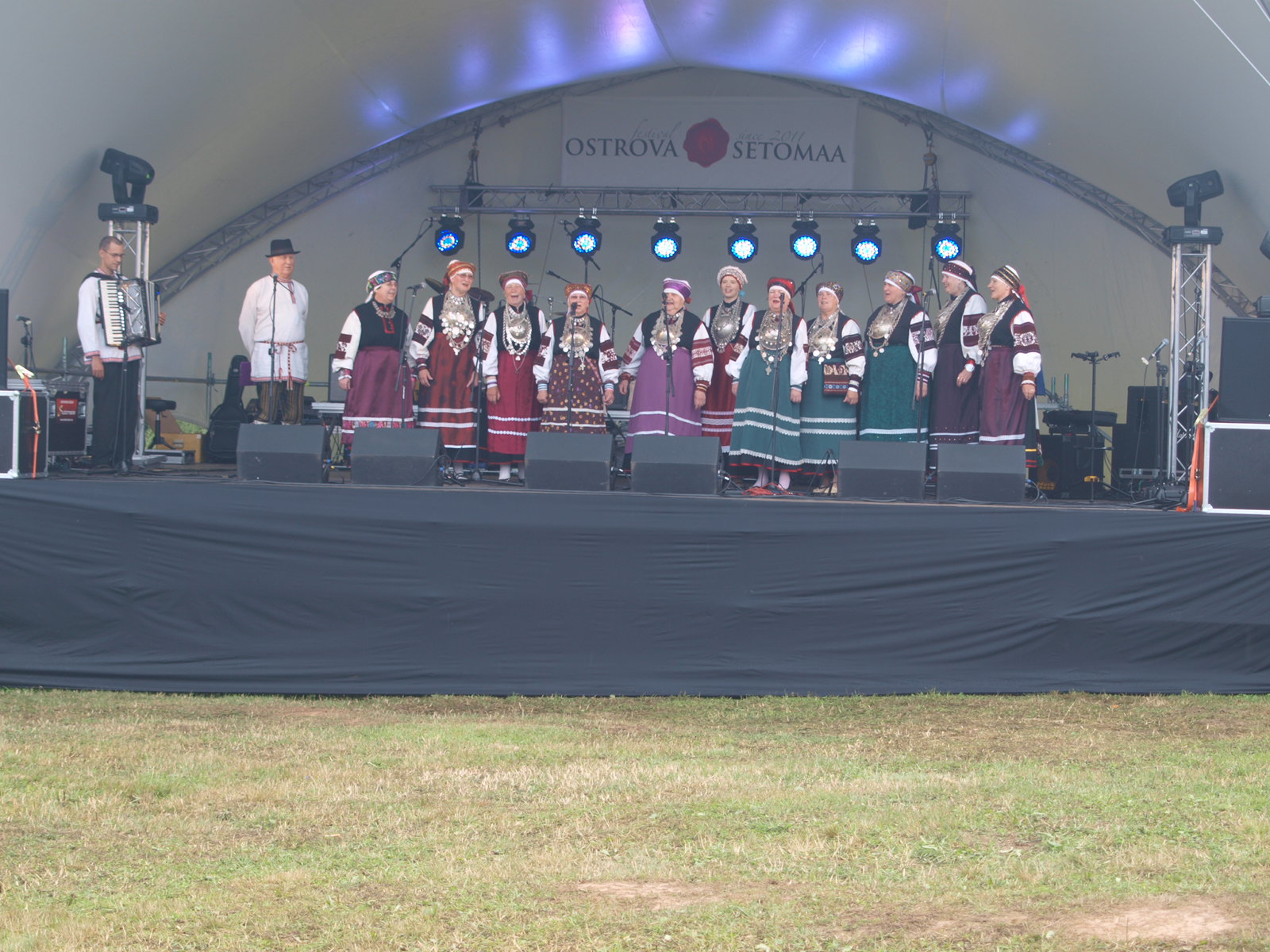
The Sõsarõ Seto leelo choir was founded in 1973. The core of the ensemble combined members of a Seto singing group, initiated by Veera Virgo (born: Terak, 1935–2005), which sprang up from another folklore ensemble of the time, Leegajus. The first leader of the group in the years 1973–1976 was the well-known researcher of folk music, Igor Tõnurist, who was also the conductor of Leegajus. As a next step, the singing group developed into an independent choir, which was lead by folklorist Vaike Sarv in 1976–1983. For a long time, in 1985–2008, the choir’s artistic director was a historian and museum worker, Sulev Mäeväli. In 2008–2010, the choir was lead by a music teacher, Rines Takel. Starting form 2010, Sõsarõ is lead by Elvi Nassar, a historian and museum worker of Seto origin.
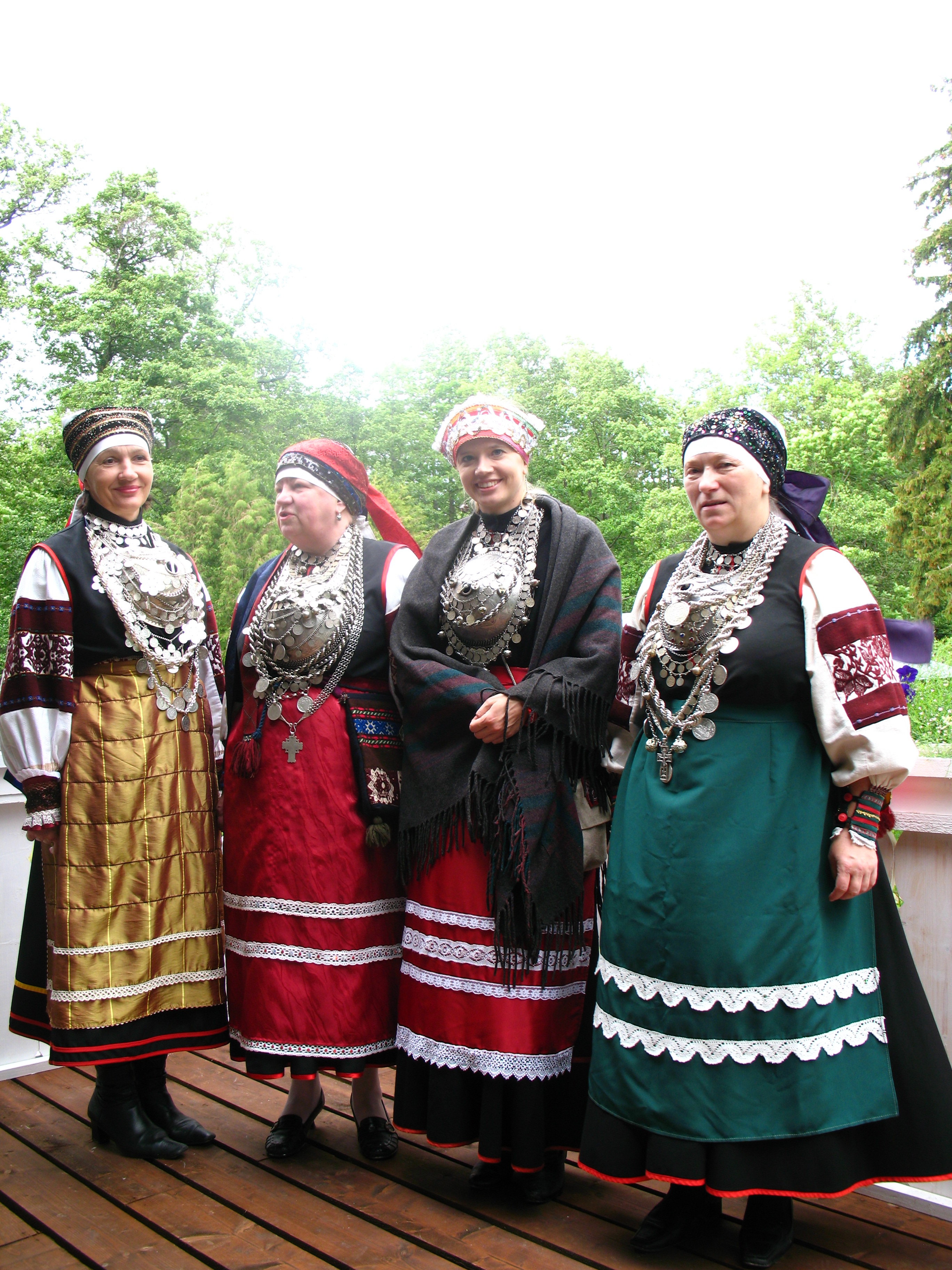
The singers of Sõsarõ are Seto people and their descendants coming from Petserimaa – the farthest south-eastern corner of Estonia, who have settled in Tallinn and in Harjumaa County. Their aim is to preserve the original Seto singing and playing of instruments as well as the traditional Seto culture. For many years, the Tallinn Teachers’ House on the Town Hall Square has served as their weekly meeting place, but they also rehearse in the nearby Matkamaja. Lively celebrations of Christmas and Easter according to the Old Calendar have become the traditional get-togethers of Setos living in Tallinn and Harjumaa.
At present, the choir consists of 18 singers, two of whom also play an instrument. The choir acts as a non-profit organization MTÜ Setu Laulukoor Sõsarõ.
The choir performs old songs and dances mostly in the capital of Estonia, Tallinn, but also in other places all over the country. Sõsarõ gives about twenty concerts in a year. The choir has performed in different countries, including Germany, Finland, Sweden, Russia, Ukraine (Crimea) and elsewhere. It goes without saying that Sõsarõ never misses a gig at the Seto Kingdom Days and the Leelo Days. Quite often concerts are held to foreign guests of Tallinn.
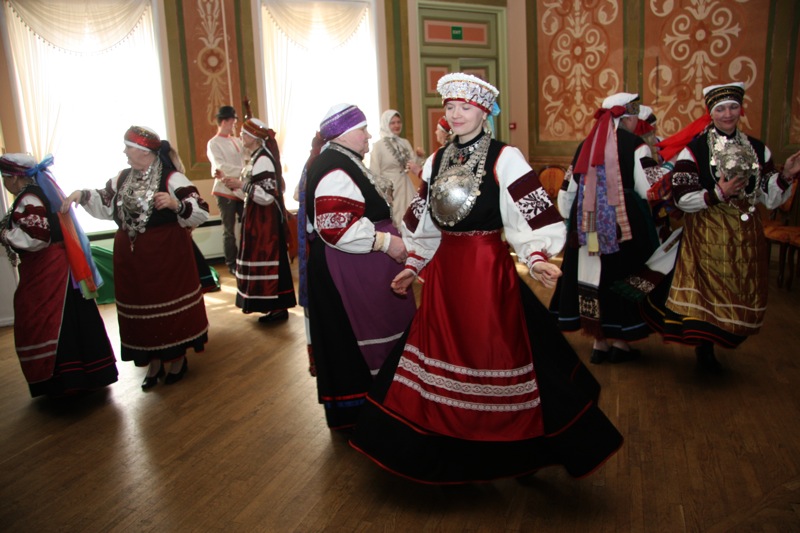
The repertoire of Sõsarõ is based on authentic Seto leelo, an ancient polyphonic singing tradition which was added to the UNESCO list of world cultural heritage in 2009. Performed to traditional melodies and in traditional costume, leelo features a lead singer who delivers a verse line followed by a choir that joins in for the final syllables and then repeats the whole line. Over the years, the choir has learned and perforned about 150 songs, 14 singing games and several folk dances. The connection to the past is very important to all Seto singers. The older generation has got the songs from their mothers and grandmothers. The younger ones study from elderly singers as well as from archival recordings. The choir has two lead singers who are skilled in composing lyrics.
The CD “Tulõ, sõsar, sa mäe pääle” (Come, sister, to the hill), released in 2009, presents a small part of the choir’s repertoire: calendar songs (Shrovetide, Easter), songs related to family festivities (wedding) and everyday life.
Contact: Elvi Nassar, elvi@evm.ee; 527 1760